

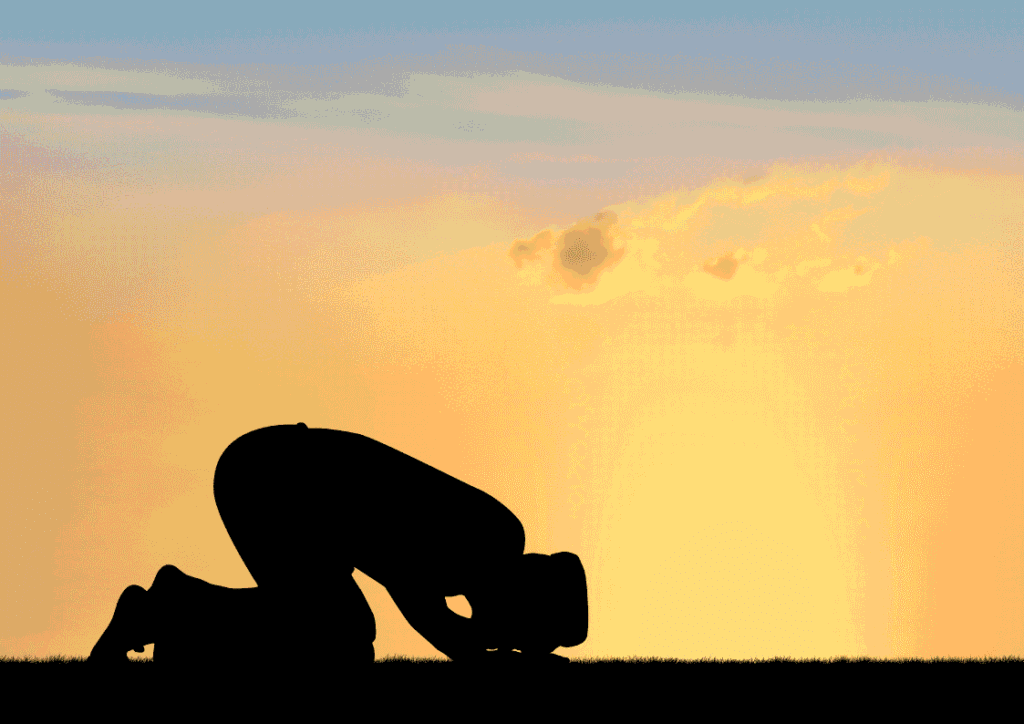
My journey in 2024 began with deep reflection and a sense of uncertainty about life. The sudden passing of a very close relative at a young age left behind two teenagers, a tween, a toddler, and a grieving wife. This profound loss weighed heavily on me, raising questions about the nature of life, the inevitability of pain, and the uncertainty of the future.
What disturbed me even more than my own grief was the quiet, almost apathetic response to suffering around the world. The atrocities unfolding in Gaza, Sudan, Somalia, and Ukraine—each one a unique nightmare—have become little more than fleeting headlines, easily ignored and forgotten. Despite relentless media coverage, the cries of the oppressed seem to go unheard. These horrors no longer stir hearts or ignite the outrage needed to demand justice. The call for help seems to be drowned out by the noise of a world that has grown numb to the pain of others. I couldn’t help but wonder: How have we reached a point where humanity’s suffering no longer compels us to act, feel, or even care?
I am a firm believer that Allah is the best of planners and does not burden a soul more than it can bear. I also know that everything happening around us is His way of conversing with us—testing whether we remember the covenant of our souls in Aalam-e-Arwah. Yet, I also believe that we, as humanity, are like a body. When one part hurts, the whole body feels the pain. We are designed to empathize, to mirror emotions, to be compassionate, and to help others, while nurturing all the virtues that define us as human beings—and as Muslims in particular.
This realization serves as a painful reminder of how easily we can become disconnected from the very essence of our humanity—our innate ability to empathize and stand for what is right. It led me to question where humanity has gone astray and what we must do to restore the “humanity” within us. The answer, almost chilling in its clarity, stared back at me deep within my soul: We must view the nurturing of human beings as our most sacred responsibility—a spiritual duty, akin to the fulfillment of a sacred trust.
Returning to the US in early 2024, after the tragic loss of my close relative, I suspended all my travels and restructured my schedule to focus on my own children. It turned out to be one of the greatest decisions of my life. Every day became a chance to learn and observe the evolving world of our children. I could see how much they had grown, and the widening generation gap became more evident with each passing day. The differences between Gen Z and the Millennials are striking, to the point where the Millennials and the generation before them are questioning the very role of parenting. In some cases, they are even rethinking and redefining what it means to be a parent in today’s world.
A few years ago, I travelled across the Middle East conducting workshops on parenting. The questions I encountered were no different from those in India or the US. Parents everywhere were grappling with the same challenges—a lack of support systems, the growing complexity of raising children in an ever-changing world, and the overwhelming pressure to provide not only for their child’s physical needs but also their emotional, intellectual, and moral development. These shared struggles underscored a fundamental truth: Parenting is no longer just a personal responsibility; it is a collective one.
There is an urgent need to build supportive communities that truly understand the weight of parenting and offer guidance at every step of the way. Parenting workshops and support networks are essential in this process. These spaces allow parents to share their stories, find solace in each other’s experiences, and feel less isolated in their struggles. By offering Tarbiyah, resources, and emotional support, these communities empower parents with the tools and knowledge they need to make informed decisions. They provide strategies for emotional resilience, helping parents navigate their own challenges while ensuring they offer the best guidance possible to their children.
Beyond support groups, there is a pressing need for structured guidance that educates parents about the age-specific needs and milestones of children. This guidance can help parents understand their children’s developmental stages and offer practical ways to build a healthy, nurturing relationship through active engagement. One such initiative, which has been well received, is the Parenting Calendar developed by the researchers at Mimber Academy. This tool provides parents with clear, actionable insights and engaging activities to navigate the complexities of raising children at different stages, making it an invaluable resource for fostering stronger, more connected families.
I cannot forget the indelible imprint my father, Syed Mouizuddin Iqbal, has left on my life. His Ehsas (compassion) and visionary mindset gave me the courage to dream beyond my circumstances and push past my perceived limitations. In his honour, we established the EHSAS Awards, a tribute to compassionate educators who show both perseverance and courage to bring positive change in the lives of children. My father always emphasized accountability over adopting a victim mindset. He often reminded us: Let’s stop blaming others and waiting for change—no one is coming to rescue us. We must empower ourselves to take charge.
It’s time to believe in the power of change and to take responsibility for our own futures:
- Have absolute faith in Allah (TAWAKKUL): Trust that Allah is with those who show patience and persevere.
- Believe there’s a solution and fortify determination (AZM): Approach every challenge with a firm resolve.
- Foster collaborations and develop teams (JAMAAH): Recognize the strength in unity and collective action.
- Strategize solutions (MASHWARA): Work together, brainstorm, and find innovative solutions.
- Jump into action (AMAAL): Don’t wait for the perfect moment—take the first step.
- Introspect regularly (MUHAASABAH): Reflect on your journey, learn from your experiences, and grow.
- Supplicate frequently (DUA): Remain humble in prayer, seeking guidance and strength.
- Safeguard with charity (SADAQA): Counter challenges with acts of kindness and generosity.
The challenges we face today, those encountered by previous generations, and those that future generations will face are shaped by the unique circumstances of their time. Yet, each generation is endowed with the intellect, skills, and capacity to confront and overcome these challenges. True success is not found in avoiding hardship but in navigating it with wisdom and perseverance. The most essential need is for each generation to be nurtured to follow the right path—the Sirat al-Mustaqim. This path of righteousness and guidance connects us to our ultimate purpose, aligning us with our Creator’s will and leading us to live in a way that benefits not only ourselves but all of humanity.
Now more than ever in these volatile times, let us not lose sight of the values that bind us together as human beings and as Muslims—compassion, responsibility, and faith in the divine plan. The challenges we face, both personal and global, present opportunities for growth and reaffirm our commitment to nurturing future generations. Through empathy, collective effort, and a shared sense of duty, we can create a future where the suffering of one becomes the concern of all.
Man wrongs himself by abusing the liberty he is blessed with and failing to use his potential to serve humanity. When freedom is misused, it leads to self-destruction and harm to society. Similarly, failing to recognize and utilize one’s unique talents for the betterment of others is equally damaging. Every individual has been gifted with abilities that should be used to contribute positively to the world. True fulfilment is achieved when we dedicate our gifts to advancing the well-being of others and addressing the needs of our community. The role of parenting is crucial in guiding children to understand this responsibility, nurturing them to recognize their potential and use it for the greater good of society.
As a board member of the Northwest Suburban College, Centre on South Asian Studies, Advisory member of the Global Association of Islamic Schools (GAIS), and Convener at the Millat Foundation for Education Research and Development (MFERD), I have witnessed firsthand the power of collective, organized efforts and perseverance. Together, our shared vision can make a profound impact on the communities we serve. With this in mind, I call upon educators, esteemed community leaders, and members to unite in building platforms that foster the spiritual, emotional, mental, and physical well-being of our future generation.
Let us embrace the sacred duty of parenting, not just as a personal responsibility but as a collective one. By empowering ourselves with knowledge, compassion, and a united spirit, we can help our children navigate the complexities of life with strength, resilience, and hope. Together, let us work toward a common vision—one that nurtures our children to become the Khalifatul Ardh, the stewards of the earth, entrusted with wisdom, compassion, and the ability to lead with integrity.
As we strive to walk the path of Sirat al-Mustaqim, let us be reminded that the challenges of today are but the stepping stones for the future. Together, we can overcome them, and in doing so, fulfil our shared responsibility to each other and to the generations to come.
Dr. Syed Misbahuddin
Founder and CEO
Mimber Academy
